

Somewhere around 57 or 58, a lot of Canadians start asking the same question. Do I retire the day I can, or do I ease out with a few years of part-time work? It is one of the largest financial decisions you will ever make, and almost everyone makes it on instinct. You do not have to.
We ran the exact tradeoff through Optiml. Here is what it looks like when you can see both sides of it in real numbers.
The setup
Our saver is 57 today and planning to retire at 60. They earn $100,000, growing modestly each year. They own a paid-off home worth about $600,000 that they will sell around retirement, and they hold $620,000 in an RRSP, $90,000 in a TFSA, and $100,000 in a non-registered account. A comfortable, realistic position for a Canadian in their late fifties.
We built two versions of their plan. The only thing that changes between them is the salary table. The retirement lifestyle, the spending, and the goals are identical in both.
- Plan A, retire fully at 60. The salary runs to age 60, then stops.
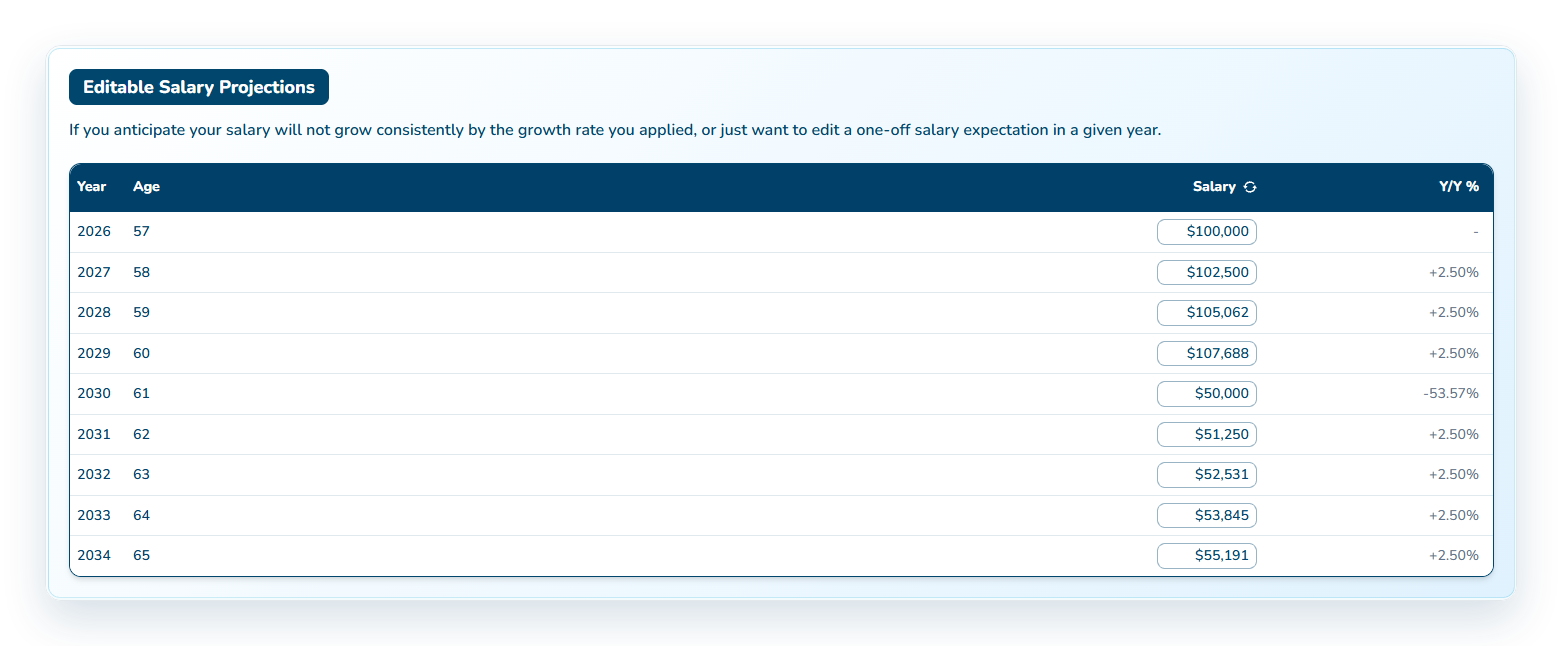
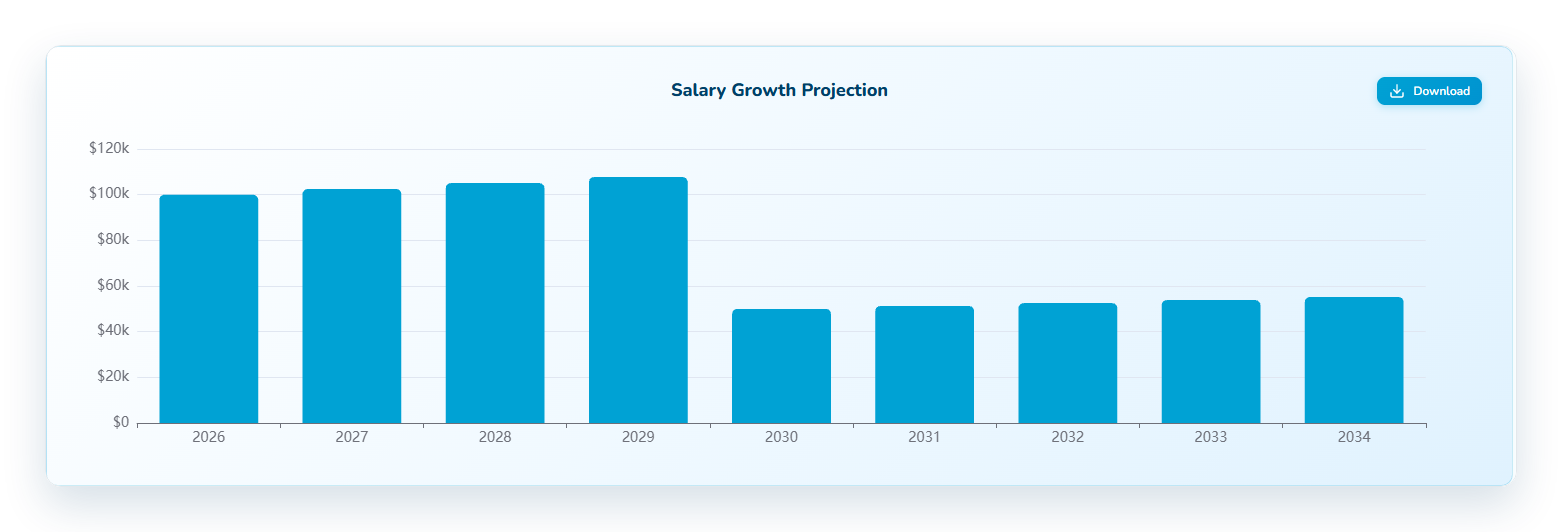
- Plan B, work part-time from 61 to 65. The salary drops to $50,000 and eases up to about $55,000 by 65, then stops.
The feature almost nobody touches
Here is the part most members never find. Your income page has an editable salary table. You are not locked into one number and a single growth rate. You can click into any year and change it. Phase your salary down. Zero it out for a two-year sabbatical and bring it back. Model the working life you are actually planning, year by year.
That is the entire difference between Plan A and Plan B. A few edits in this table.
The chart updates as you type, so you can see the shape of your working income before you ever run the plan.
What five years of part-time work did
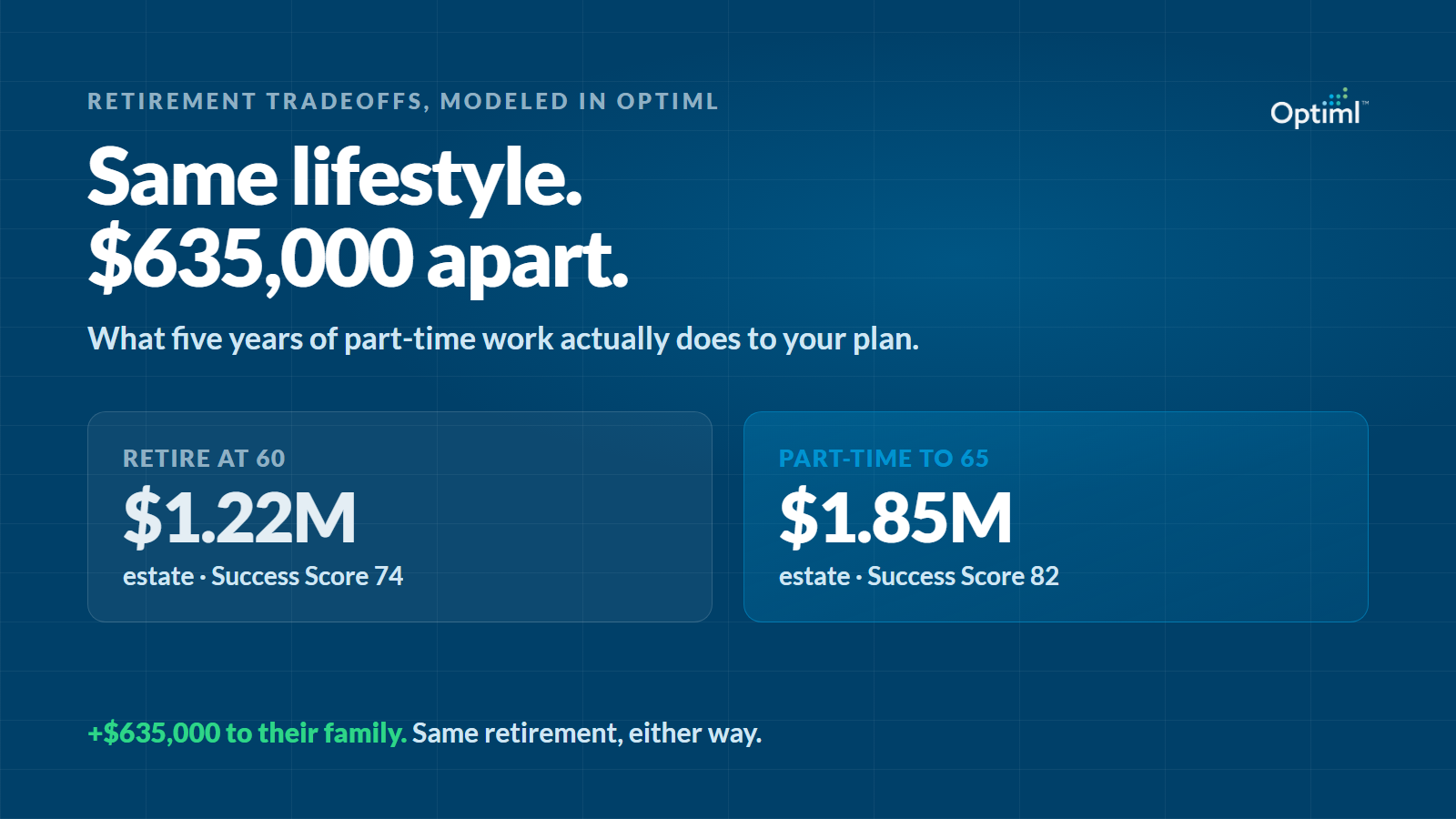
Same lifestyle, and both plans fully fund retirement to the end. But the part-time version leaves $634,952 more behind and lifts the Success Score from 74 to 82.
Here is the surprising part. They earned roughly $263,000 working part-time. That turned into about $635,000 of extra estate, more than double. The reason is not the paycheque itself. Every dollar they earned in those five years is a dollar they did not have to withdraw from their portfolio, so their savings stayed invested and compounded for another 25 years. Part-time work is not really about the income. It is about what your portfolio does when you leave it alone a little longer.
Now the other side of the ledger
This is where most retirement advice stops, and where Optiml keeps going. Working part-time is not free.
They paid $178,992 more in lifetime tax. That looks like the catch, but it is worth understanding why. You pay more tax because you end up with more, not because part-time work is inefficient. The earnings are taxable in the years you receive them, and a larger portfolio generates more taxable income for decades. During the part-time years their average tax rate ran about 21 percent, against 10 to 14 percent in the fully retired version. Optiml also flags some OAS clawback in the part-time plan that the early-retirement plan avoids, a direct result of the higher income.
And the real cost, the one no spreadsheet shows you, is five more years of working, even part-time, when you could be fully retired.
So, is it worth it?
That is not our call to make. It is yours.
For the same retirement lifestyle, five years of part-time work bought this person about $635,000 more for their family and a stronger, more resilient plan. For some people that is an easy yes. For others, five years of freedom is worth more than any estate, and that is an equally valid answer. It is your life and your tradeoff.
The point is that you should be answering that question with real numbers in front of you, not a gut feeling. Optiml does not tell you to keep working, and it does not tell you to stop. It shows you what each path costs and what each path gives you, across your whole retirement, so the decision is informed instead of guessed.
One table, any working life
The scenario here is a simple phase-down, but the salary table models whatever you are actually considering. A three-year break to travel in your early sixties. Consulting two days a week until 67. A staged exit where you drop to 80 percent, then 50 percent, then stop. Change the numbers in the years they apply, and Optiml recomputes the whole plan around them, including the RRSP contribution room your earned income creates along the way.
Open your salary table and model the version of the next few years you are actually weighing. Then decide with the tradeoff in full view.
Frequently asked questions
Can Optiml model part-time work in retirement?
Yes. On the income page, the editable salary table lets you set your income year by year. Lower it for part-time work, zero it out for a break, or bring it back later. Optiml recomputes your taxes, withdrawals, and full plan around the exact income you enter.
Does working part-time in early retirement leave you better off?
It depends on your situation, but in our modeled scenario, five years of part-time work from 61 to 65 left the person about $635,000 more in their estate for the same retirement lifestyle. The main reason is that the income let their portfolio stay invested and compound longer. It also increased lifetime tax, because a larger portfolio generates more taxable income over time.
Why did part-time work increase lifetime tax?
Because it increased total wealth. The part-time earnings are taxable in the years they are received, and the larger preserved portfolio produces more taxable income later, including some OAS clawback exposure. Paying more tax here is a symptom of ending up with more, not of an inefficient plan.
How do I edit my salary year by year in Optiml?
On the income page, open the editable salary projections table, click into any year's salary cell, and enter the amount you expect. You can change individual years without affecting the growth rate applied to the others.
Ready to optimize your retirement plan?
Join thousands of Canadians making smarter financial decisions with Optiml.
Start Free Trial